I know what happens.
I just can’t see the moment clearly yet.
The action may be there, but the distance, light, setting, expression, or emotional focus still feels wrong.
Explore Scene VisualizationSometimes one missing visual piece keeps the whole story from moving. Start with the part that still feels unclear.
I just can’t see the moment clearly yet.
The action may be there, but the distance, light, setting, expression, or emotional focus still feels wrong.
Explore Scene VisualizationI just can’t quite see them yet.
You may know their personality, history, and role in the story, but still struggle to see their face, clothing, posture, expressions, or visual presence.
Explore Character VisualizationI just can’t see the world around it yet.
The setting may exist in pieces—landscape, atmosphere, architecture, color, weather, and objects—but not yet as one coherent visual world.
Explore Storyworld DevelopmentVisual story development helps an author or creator turn the parts of a story that still feel unclear into clear visual direction.
Sometimes an unfinished story does not need more words first. It needs help seeing what is already there.
This work can happen before the entire manuscript is finished. The goal is not to invent a new story for you. It is to make the story you are already carrying easier to see, respond to, and continue developing.
“You do not need the whole story. You need the moment that still glows.”
LONESOME CACTUS STUDIOEach project starts with a different kind of visual question. The work is not only about making an image. It is about finding the visual direction that helps the story become clearer.
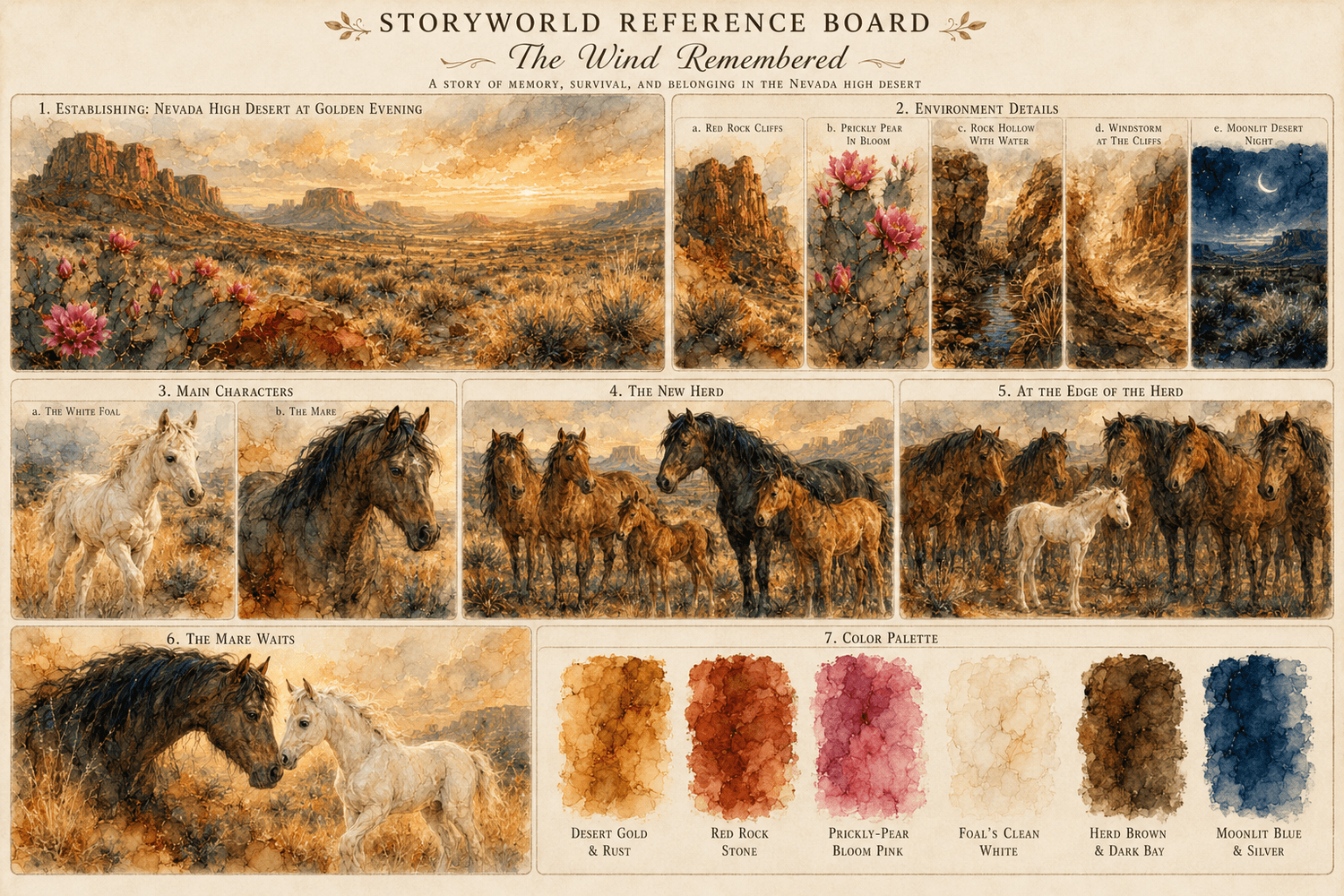
A white foal, a desert of memory, and one emotional question: what does belonging look like before you know you belong?
View the Storyworld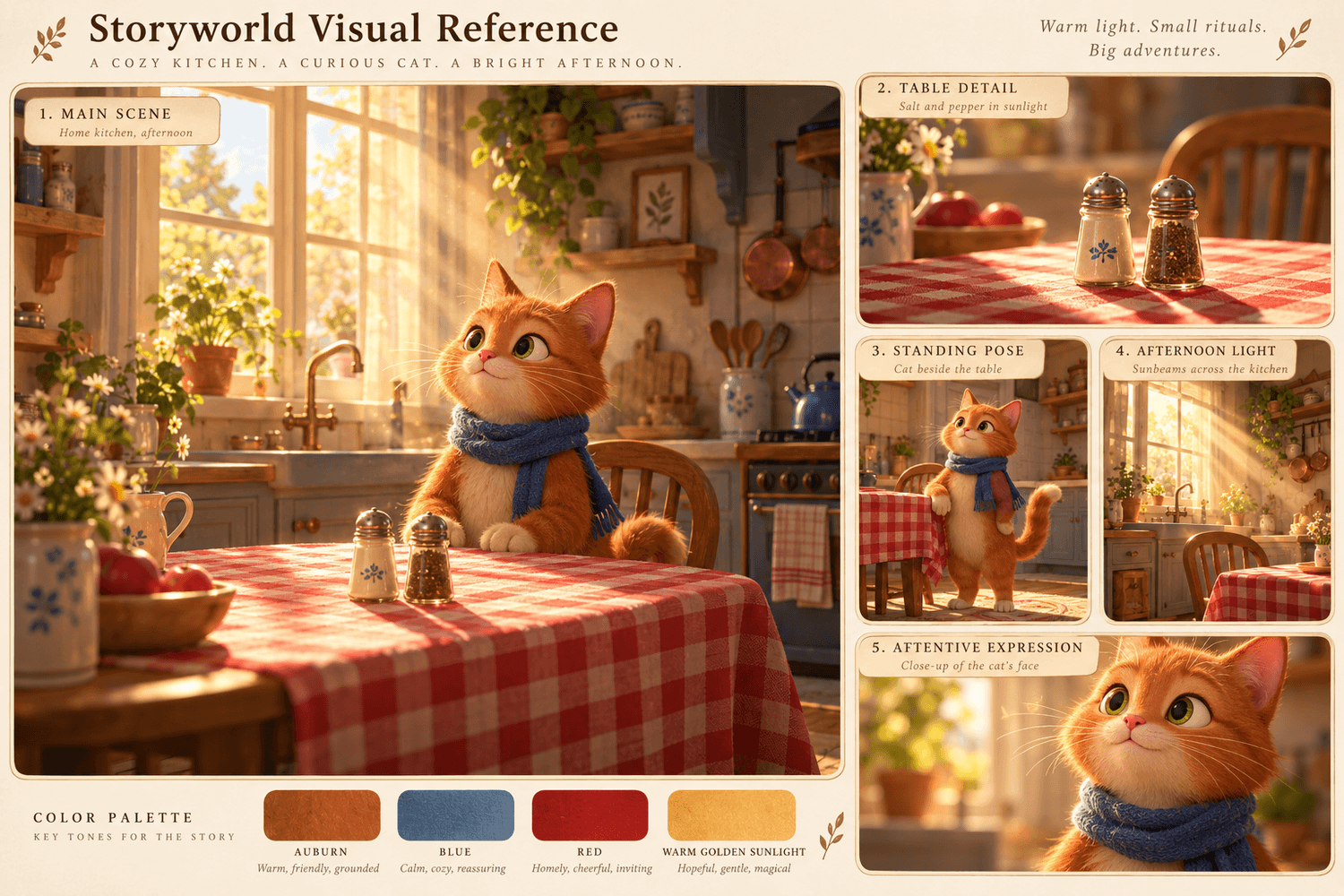
A warm, approachable character and visual world designed to hold an emotionally meaningful idea without making the story feel heavy.
View the Character Study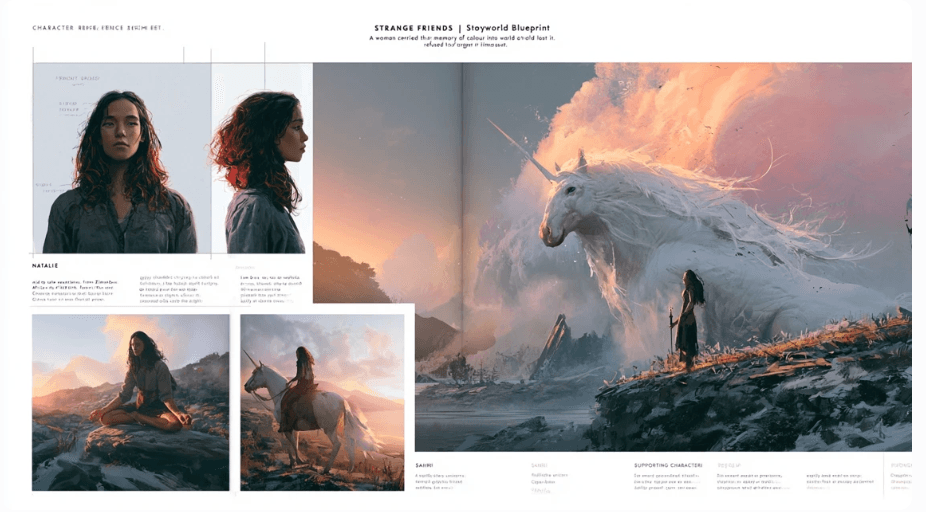
Visual development for a protagonist from a manuscript that had been sitting in draft for years, using the author’s own sense of who Natalie is as the guide.
View the Character DevelopmentThe Wind Remembered began with one emotional question: what does belonging look like when a young foal has to find her way back to it? This sequence shows how a storyworld starts to take shape through movement, clue, recognition, and arrival.
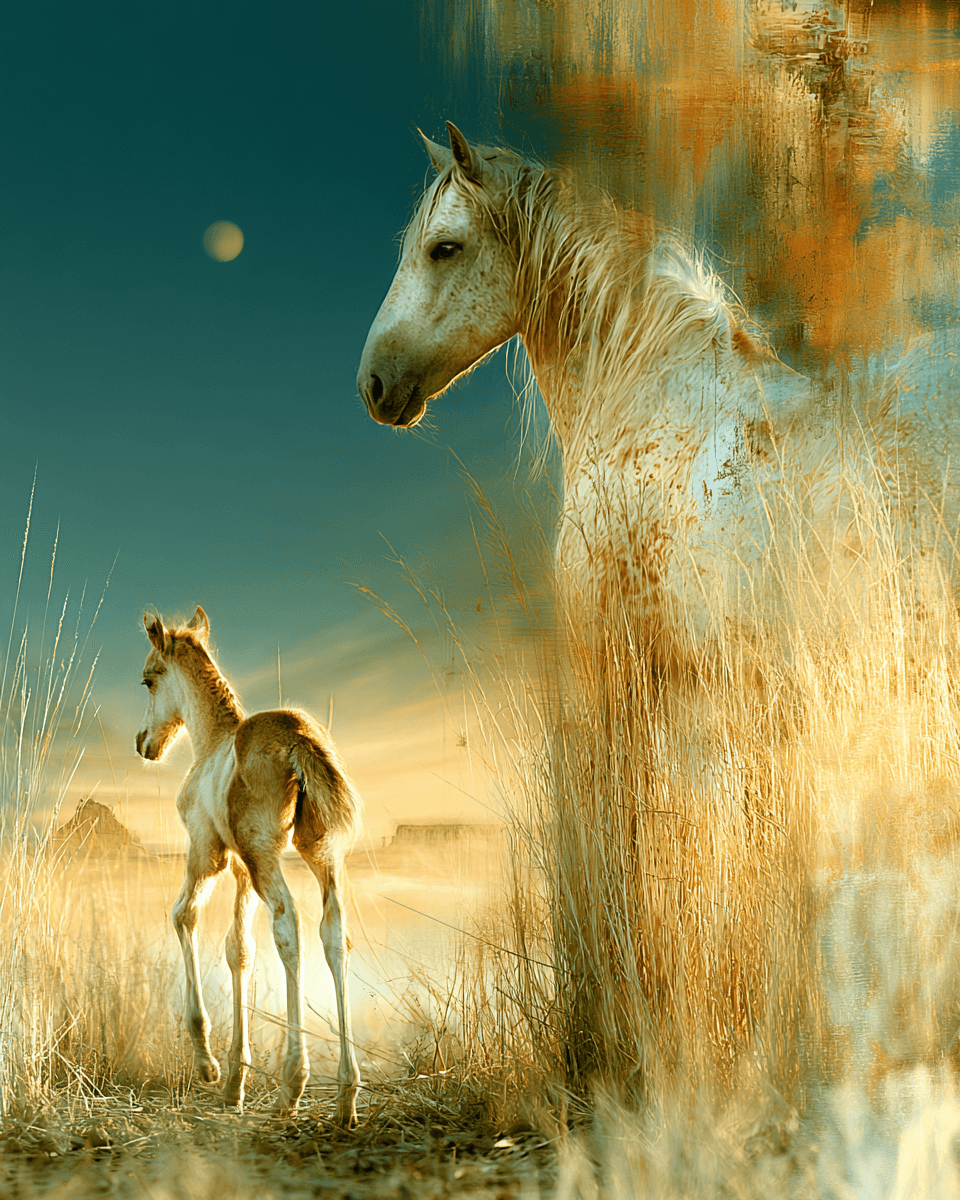
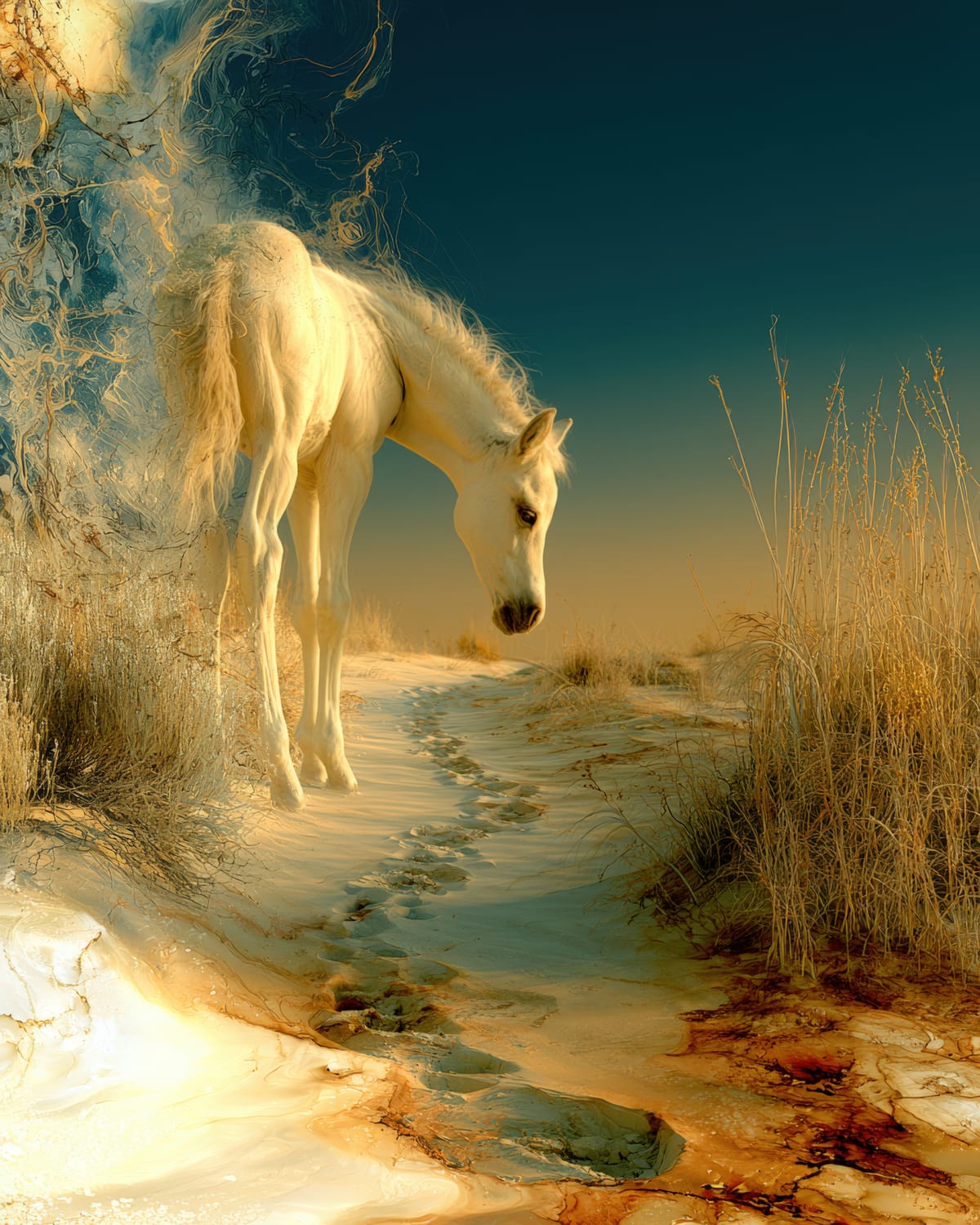
The story begins with movement. She cannot stay where she is, even before she knows where she belongs. This first image establishes emotional distance, vulnerability, and the beginning of the journey.
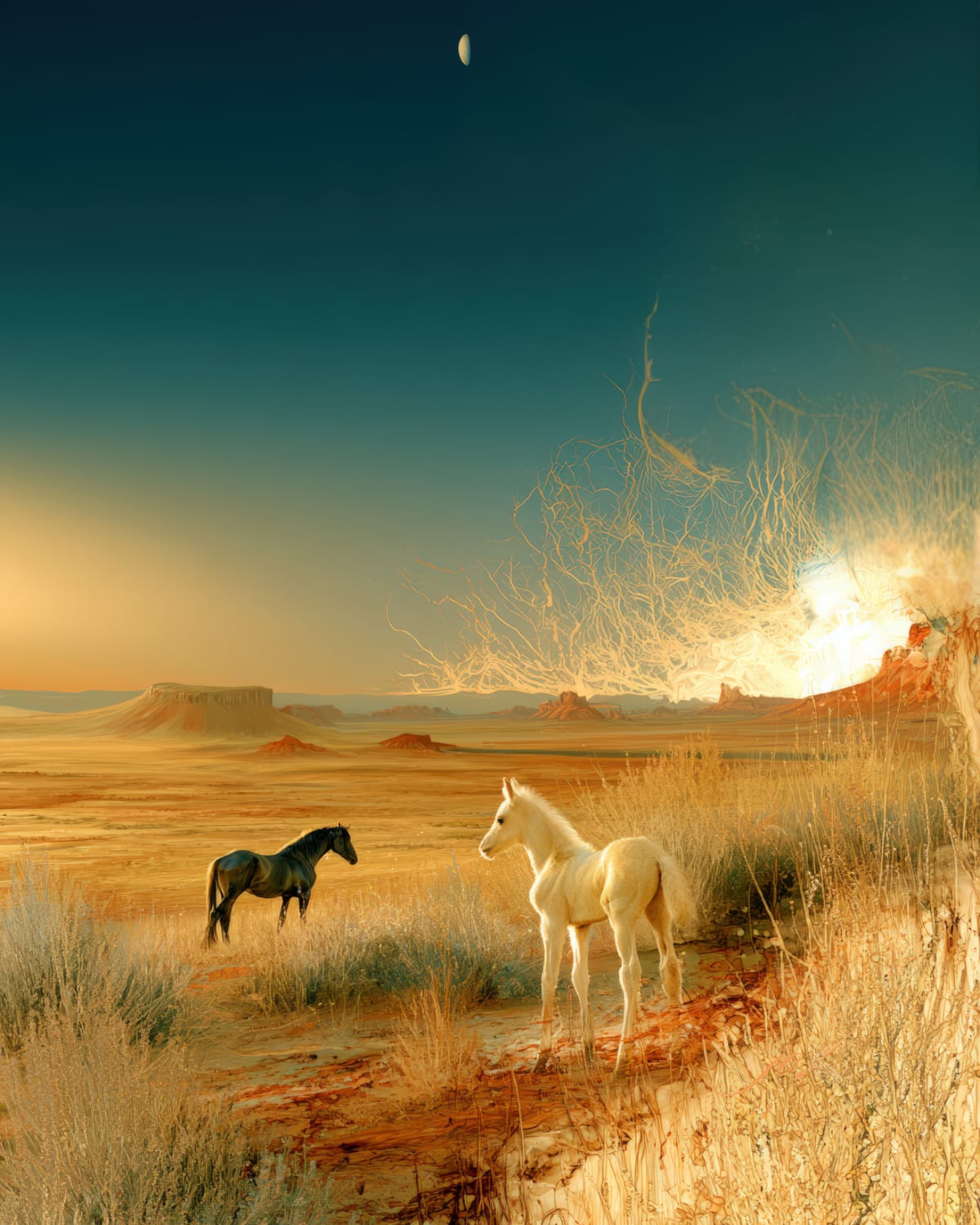
Then the story gains direction. The fresh tracks become a visual clue — evidence that someone has passed here before. This is where the journey shifts from wandering to following.
Recognition changes the emotional tone. The mare is not only another horse in the world — she is the answer to longing, safety, and remembered gentleness.
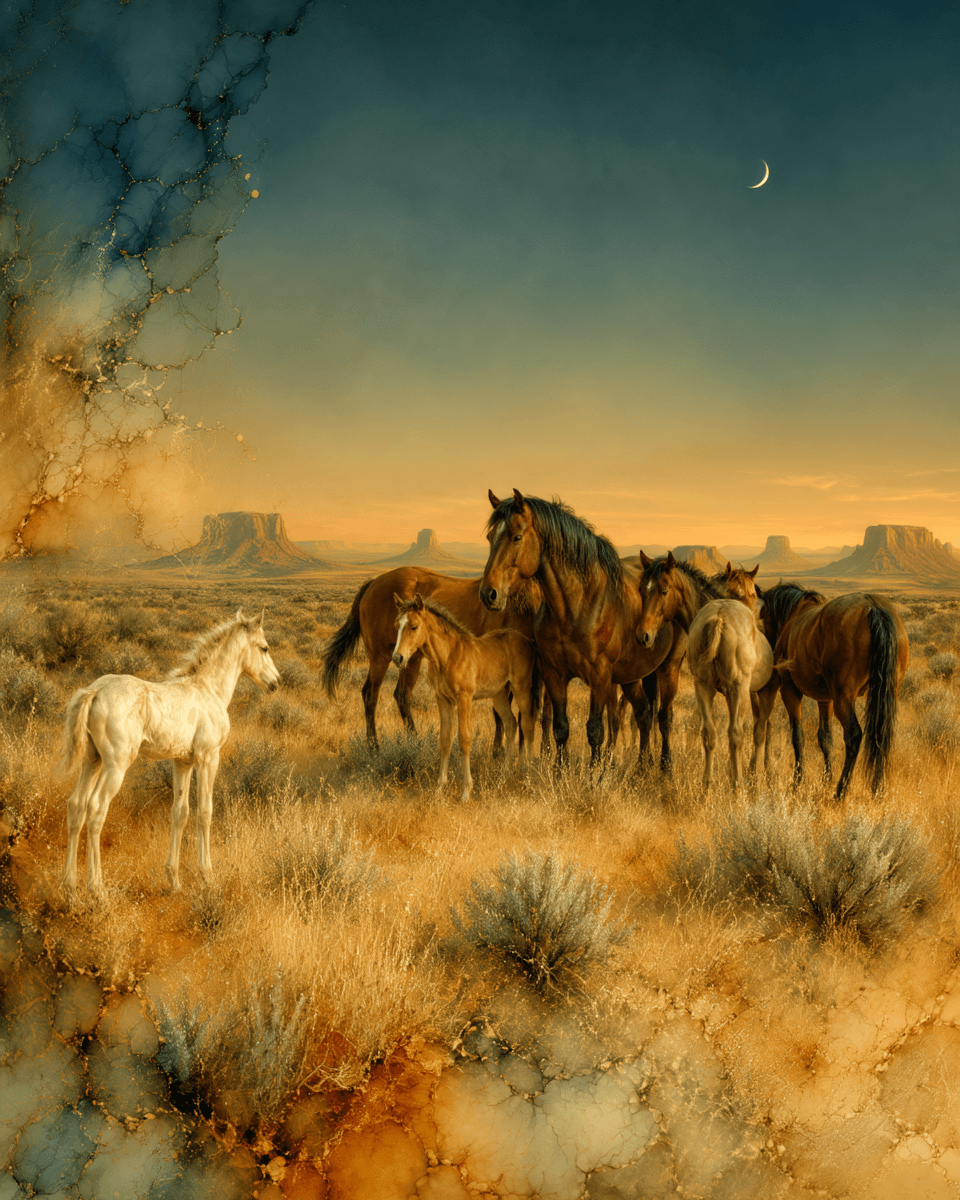
The final moment is about belonging. She reaches the edge of the herd and stops. The world around her is no longer empty space — it becomes relationship, place, and return.
Visual story development is not about making random beautiful images. It is about helping the story become more visible, more coherent, and easier to continue. In The Wind Remembered, the images helped shape emotional pacing, recurring atmosphere, character consistency, and the visual logic of the world itself.
You do not have to arrive with everything figured out. The process begins by separating what you already know from what still needs to become visible.
We identify the story facts, characters, relationships, setting, emotional truth, and visual details that are already yours.
We look for the unanswered visual questions that may be making the scene, character, or Storyworld difficult to continue developing.
We explore the choices that matter: composition, expression, light, atmosphere, setting, palette, recurring details, and visual continuity.
The visual decisions become a usable foundation instead of a collection of unrelated images.
You leave with something you can actually see, respond to, refine, and continue developing.
AI-assisted tools may be part of the visual-development process, but they are not allowed to replace your story with a convenient guess. Your characters, relationships, places, and emotional truth come from you. My role is to help make them visible.
Storyworld Creator & Visual Storytelling Guide
I’m Jo Langston, founder of Lonesome Cactus Studio, rooted in the Nevada high desert.
My work sits between story development and finished illustration. I help authors and creators take the scenes, characters, and worlds that are still partly living in their imagination and turn them into visual direction they can actually work with.
The process is human-guided, emotionally grounded, and built around a simple boundary:
Sometimes you do not need someone to rewrite the story. You need someone to help you see it.
About Jo →These responses came from people seeing a character or visual world begin to match something they had already been carrying in their imagination.
“I love the way that you have managed to capture the feel.”
Louise had been carrying her manuscript in draft since 2002. Visual development helped her begin identifying which representations of her protagonist Natalie felt most aligned with the character she already knew.
— Louise Stefanie“OMG! He’s on the beach. I am about to cry.. I’ll dive into both but how amazing!”
Heather’s response came after seeing visual blueprint work that placed her character inside the world she had been imagining.
— Heather D. Black“Thank you for allowing me to bring Lily to life. I printed out my Alter Ego, and she will always be with me.”
Sue’s response shows what can happen when a visual character moves beyond an idea and begins to feel personally recognizable and lasting.
— Sue McCallionThe goal is not to make someone accept an image. It is to create something they can recognize, question, refine, and say: yes, that feels closer.
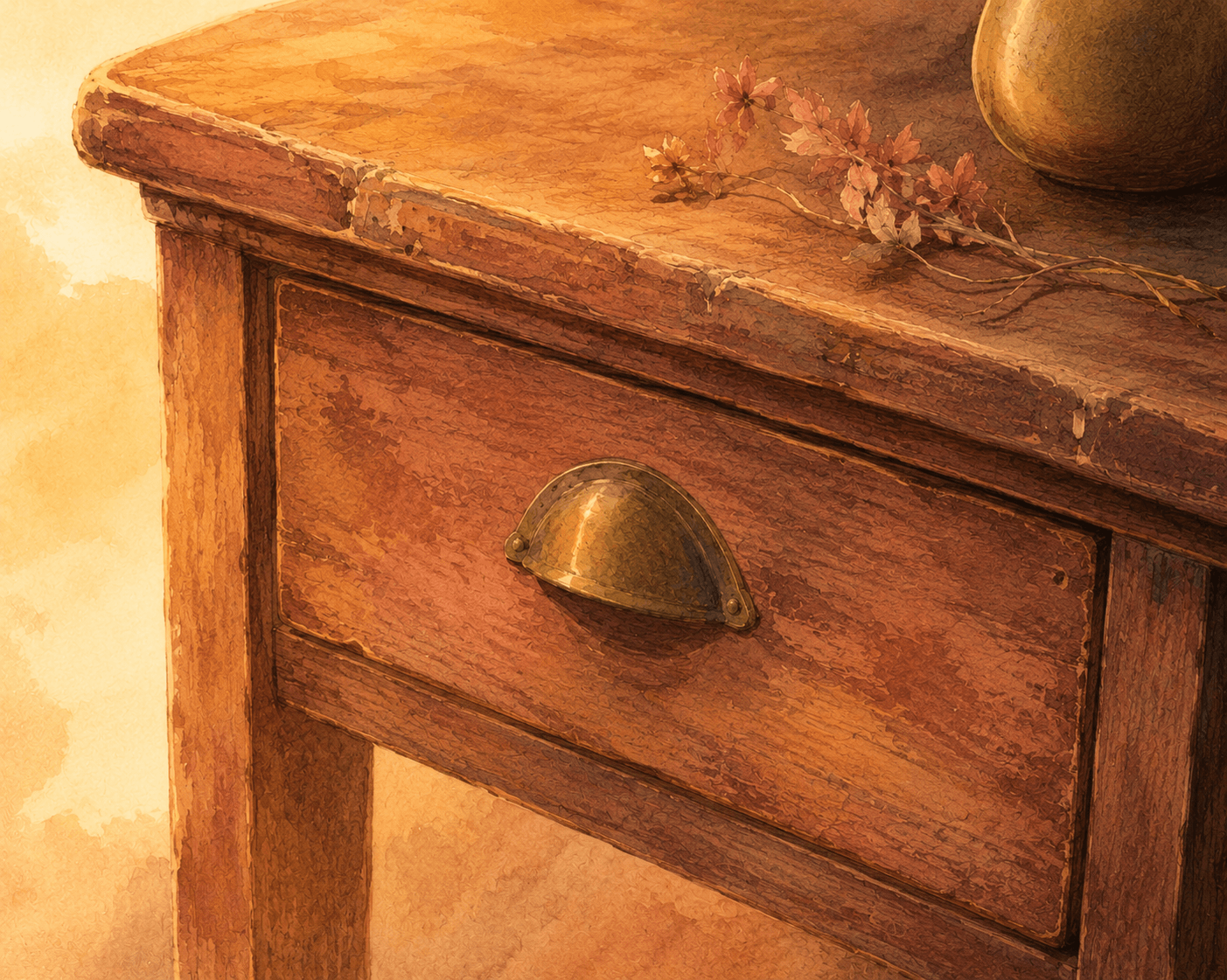
Start with the part of the story you already know.
You do not need the whole story before you begin.
Story Clarification helps you separate what is already clear from what still needs to become visible.
Bring the part you already know. We’ll start there.
The Story Clarification experience opens on its own page.
Your story may not be finished. Maybe you just can’t see part of it clearly yet.
I help authors and creators visualize the scenes, characters, and storyworlds they can’t quite see clearly enough to continue developing the story.
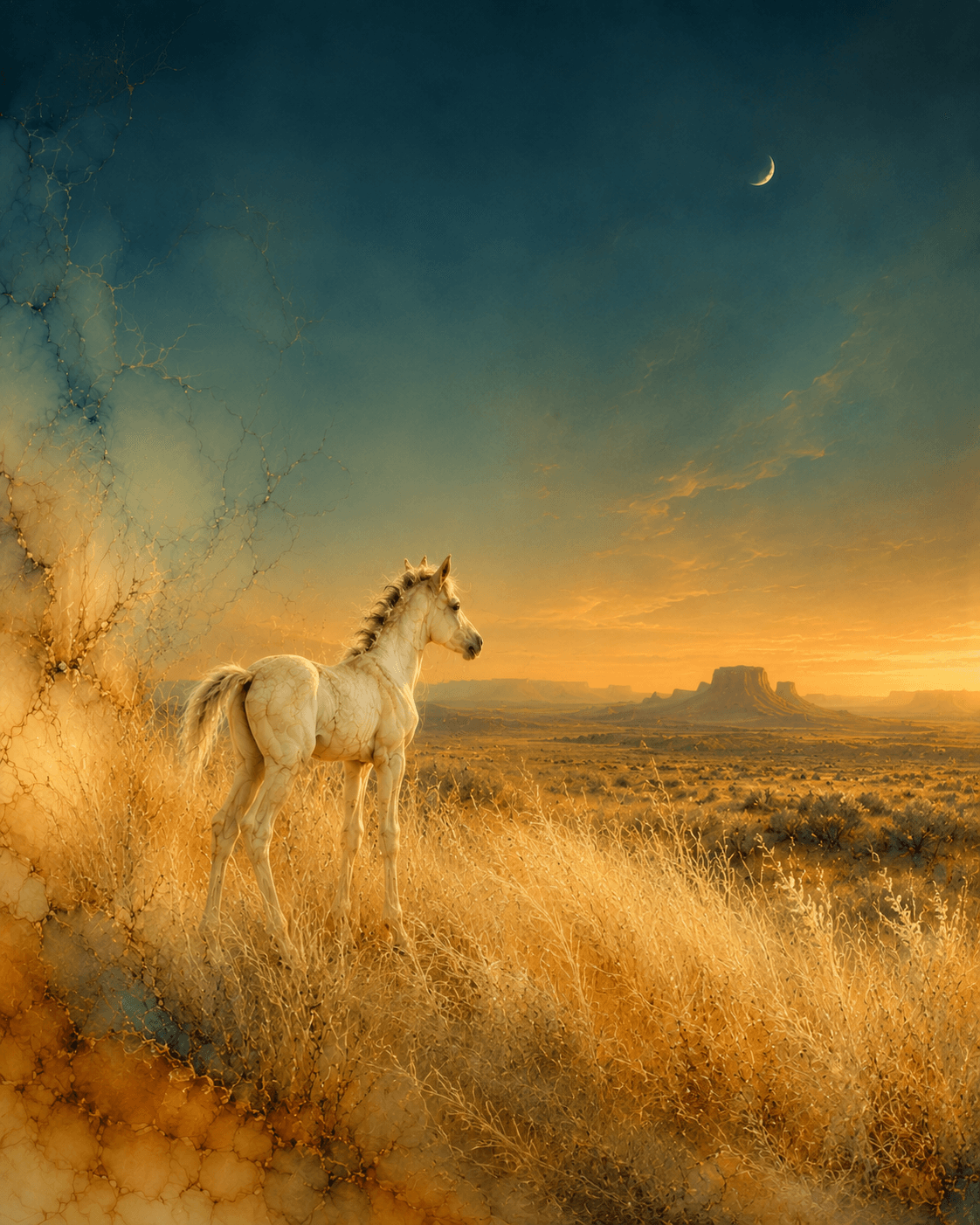
The Wind Remembered — storyworld development
Lonesome Cactus Studio
Visual Story Development for Unfinished Stories
Copyright 2026©
Terms & Conditions